Solar PV

Home » Solar PV

How does solar power work?

Solar power works by converting energy from the sun into power. There are two forms of energy generated from the sun for our use – electricity and heat.

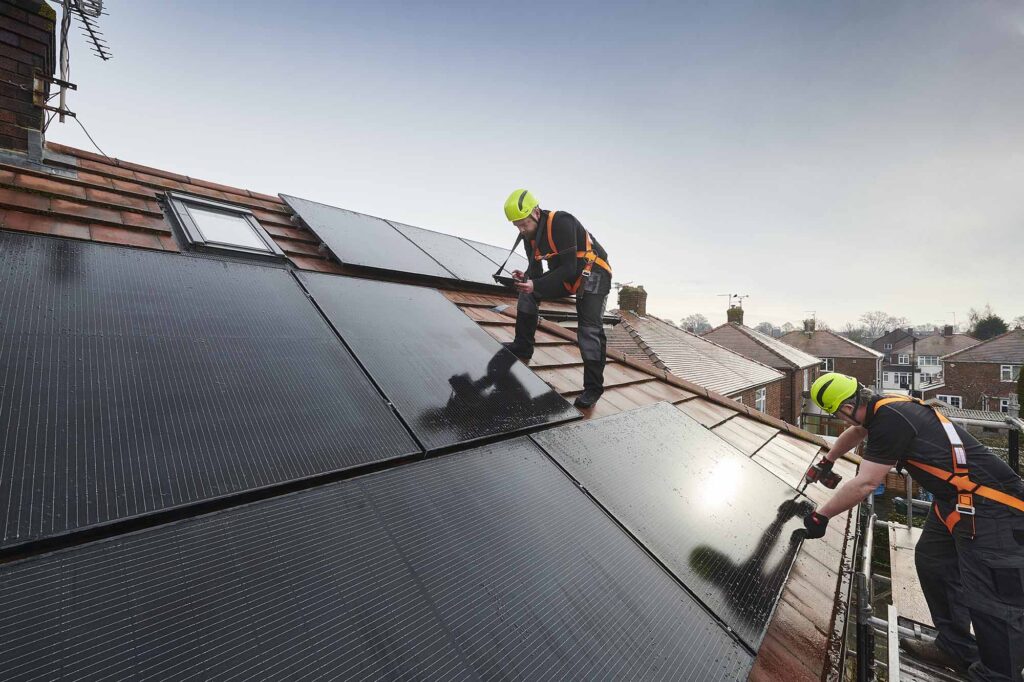
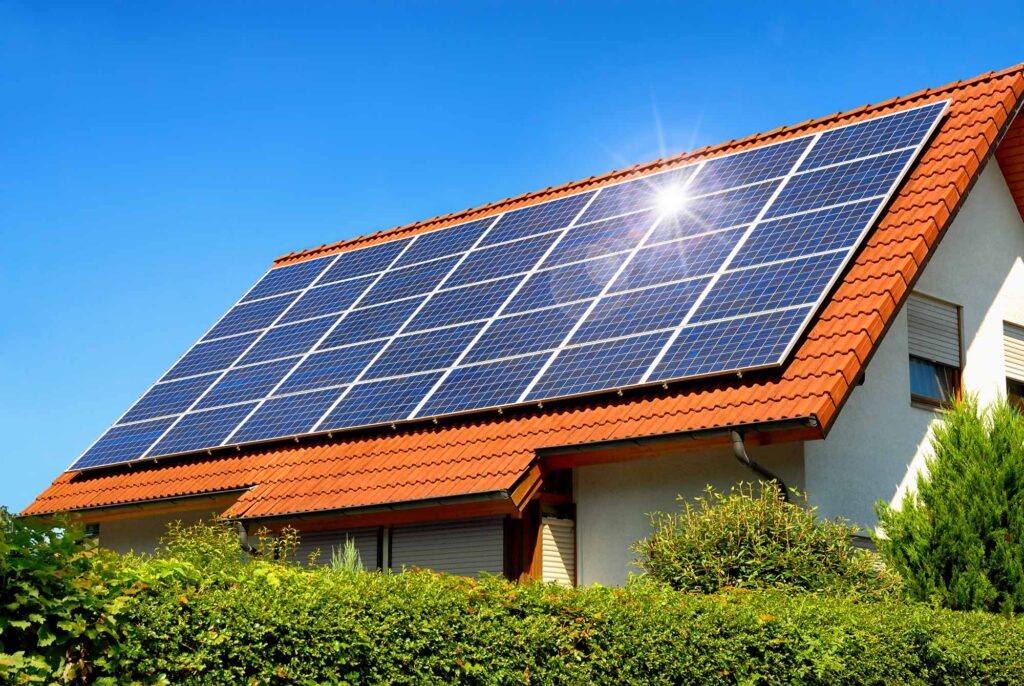
Both are generated through the use of solar panels, which range in size from residential rooftops to 'solar farms' stretching over acres of rural land.

Is solar power a clean energy source?

Yes, solar power is a renewable and infinite energy source that creates no harmful greenhouse gas emissions– as long as the sun continues to shine, energy will be released.
The carbon footprint of solar panels is already quite small, as they last for over 25 years. Plus, the materials used in the panels are increasingly recycled, so the carbon footprint will continue to shrink.
 

When was solar power discovered?

Solar energy was used by humans as early as the 7th century B.C. when humans used sunlight to light fires by reflecting the sun's rays onto shiny objects. Later, in 3rd century B.C., the Greeks and Romans harnessed solar power with mirrors to light torches for religious ceremonies.

In 1839 and at the age of just 19, French physicist Edmond Becquerel discovered the photovoltaic (PV) effect while experimenting with a cell made of metal electrodes in a conducting solution. He noted that the cell produced more electricity when it was exposed to light – it was a photovoltaic cell.

In 1954 PV technology was born when Daryl Chapin, Calvin Fuller and Gerald Pearson developed the silicon PV cell at Bell Labs in 1954 – the first solar cell capable of absorbing and converting enough of the sun's energy into power to run every-day electrical equipment.
Today satellites, spacecraft orbiting Earth, are powered by solar energy.

How exactly is electricity from solar energy produced?

Solar panels are usually made from silicon, or another semiconductor material installed in a metal panel frame with a glass casing. When this material is exposed to photons of sunlight (very small packets of energy) it releases electrons and produces an electric charge.

This PV charge creates an electric current (specifically, direct current or DC), which is captured by the wiring in solar panels. This DC electricity is then converted to alternating current (AC) by an inverter. AC is the type of electrical current used when you plug appliances into normal wall sockets.

Export Payments

With any domestic PV system, there will be times when the electricity you generate is more than you can use or store, so the surplus will be exported to the grid to be used by somebody else.
 
If you want to be paid for exporting, you need to make sure you're getting an export payment. If you were able to claim the feed-in tariff (this closed to new applications at the end of March 2019), then you will be getting export payments as part of that. If not, you need to find an energy company that will pay you for this surplus.

Following the closure of the feed-in tariff scheme to new solar PV system applicants in March 2019, the smart export guarantee (SEG) was introduced to provide financial support to small-scale renewable energy generators for the electricity they export to the grid.
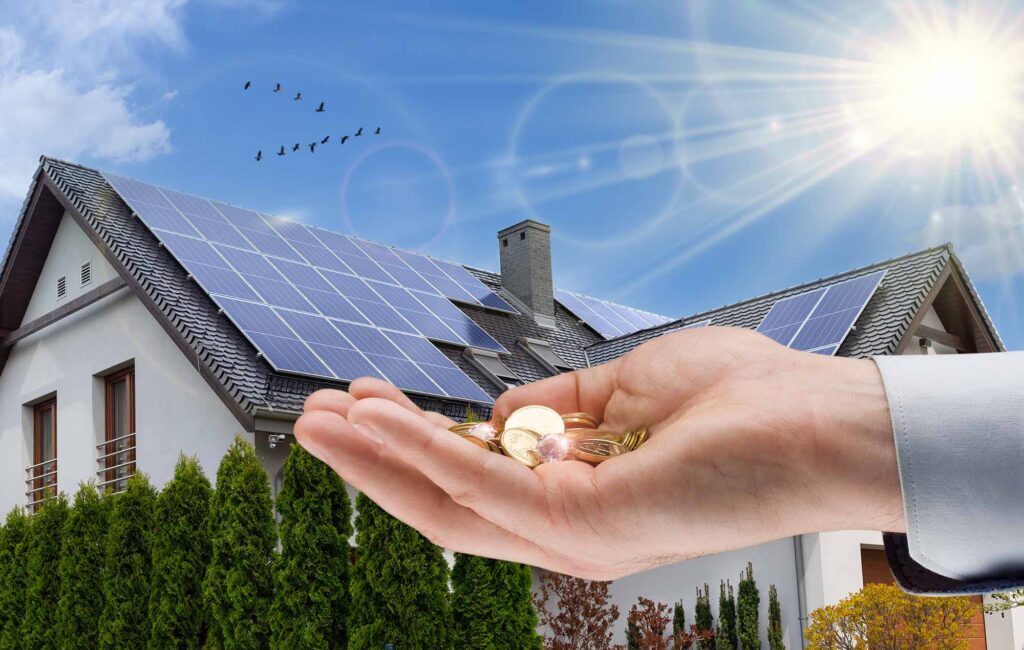
The savings from solar PV with the SEG are considerably higher than without it.
 
In Great Britain, the smart export guarantee pays you for the electricity you generate.

How Does Solar Battery Storage Work

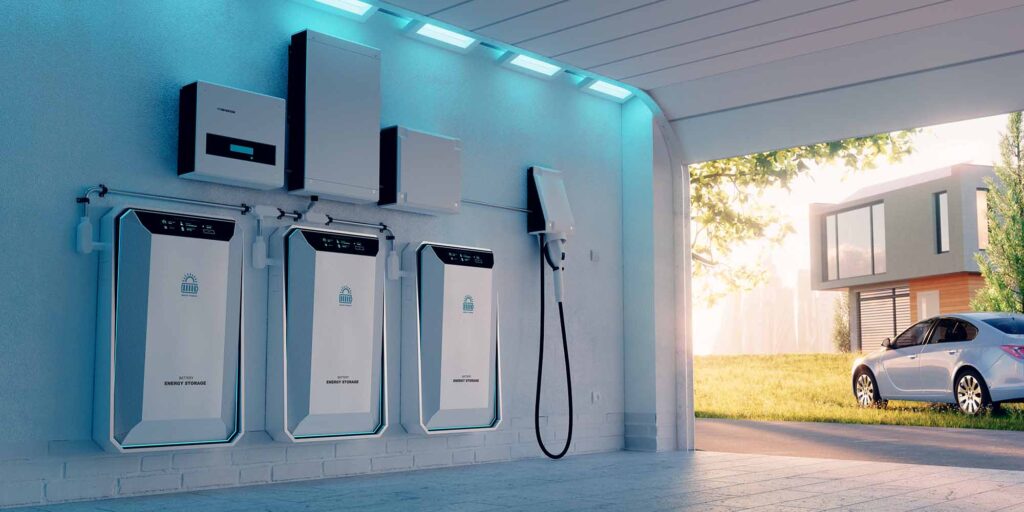
Solar battery storage systems store excess energy from solar panels for later use. This allows you to use energy generated during the day when you need it most, like at night or on cloudy days.
How it works

Solar panels convert sunlight into direct current (DC) electricity.
 
An inverter converts the DC electricity to alternating current (AC) electricity, which is used to power your home.
 
When your home is fully powered, any excess energy is stored in the battery.
 
When you need more electricity than your solar panels are generating, the battery discharges to power your home

Benefits

  • Lower energy costs: You can avoid paying higher electricity rates during peak demand hours.
  • More sustainable lifestyle: You can use energy from renewable sources, like solar power, instead of fossil fuels.
  • More energy independence: You can become less dependent on the power company.

Benefits

  • Lead-acid: A type of battery that can be used for solar battery storage
  • Lithium-ion: A type of battery that can be used for solar battery storage and offers faster charging and a higher capacity than lead-acid batteries

Products

Energize Society Using Sustainable
& Reliable
Comfort Renewables Limited is a company registered in England and Wales. Company number 16530296. Registered office : 204 High Road, Benfleet, Essex, England, SS7 5LD
© 2026 Comfort Renewables. All rights reserved.